
Posts Tagged: 1977
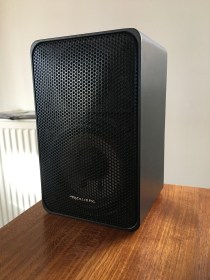
Realistic Minimus-7
“Little only in size, not in performance”, was how Realistic described its Minimus-7 ‘Metal Cabinet Speaker System” back in 1977. In 2021, it’s still surprisingly capable and relevant, as there have been precious few micro speakers released in the intervening
Realistic Minimus-7
“Little only in size, not in performance”, was how Realistic described its Minimus-7 ‘Metal Cabinet Speaker System” back in 1977. In 2021, it’s still surprisingly capable and relevant, as there have been precious few micro speakers released in the intervening
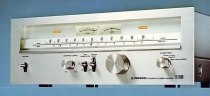
Pioneer TX-9500 II
There was a short period in the history of hi-fi when many people considered this tuner to be the best in the world. It wasn’t a universal view, but along with the Yamaha CT-7000 of a few years before, this
Pioneer TX-9500 II
There was a short period in the history of hi-fi when many people considered this tuner to be the best in the world. It wasn’t a universal view, but along with the Yamaha CT-7000 of a few years before, this
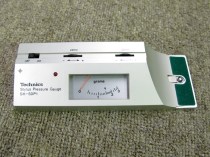
Technics SH-50P1
This beautiful electronic stylus pressure gauge was originally designed to be bundled with Technics’ EPA-500 tonearm, itself made to match the SP-10mkII transcription turntable. It was also made available separately however, and by 1978 most of the world’s hi-fi magazines
Technics SH-50P1
This beautiful electronic stylus pressure gauge was originally designed to be bundled with Technics’ EPA-500 tonearm, itself made to match the SP-10mkII transcription turntable. It was also made available separately however, and by 1978 most of the world’s hi-fi magazines
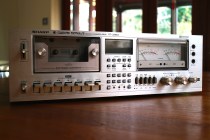
Sharp RT-3151
Billed rather ambitiously as ‘The First Computer that Plays Music’, the Sharp RT-3151 (called the RT-3388 in the United States and Canada) was actually a fairly standard two-head, single capstan tape deck with an undistinguished permalloy record/reply head and an
Sharp RT-3151
Billed rather ambitiously as ‘The First Computer that Plays Music’, the Sharp RT-3151 (called the RT-3388 in the United States and Canada) was actually a fairly standard two-head, single capstan tape deck with an undistinguished permalloy record/reply head and an
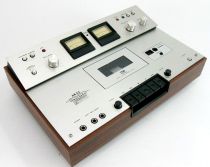
Akai GXC-310D
A true museum piece, this! It hails from a time when Akai was a highly respected Japanese tape recorder specialist, selling the world’s most popular open reel (the 4000DS, of course). The company also had designs on the fast-growing Compact
Akai GXC-310D
A true museum piece, this! It hails from a time when Akai was a highly respected Japanese tape recorder specialist, selling the world’s most popular open reel (the 4000DS, of course). The company also had designs on the fast-growing Compact

JVC JAS-11G
Any audiophile will venture towards the pages of a hi-fi magazine from time to time – if they’re not avidly reading them every month, that is. Had you picked up a copy of What Hi-Fi in 1977, the chances are
JVC JAS-11G
Any audiophile will venture towards the pages of a hi-fi magazine from time to time – if they’re not avidly reading them every month, that is. Had you picked up a copy of What Hi-Fi in 1977, the chances are
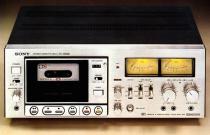
Sony TC-229SD
Sometimes a design is just right. Perfection is achieved when the designer puts in just the correct amount of features and quality, then wraps the whole lot up in a decently styled package. This was very much the case with the Sony
Sony TC-229SD
Sometimes a design is just right. Perfection is achieved when the designer puts in just the correct amount of features and quality, then wraps the whole lot up in a decently styled package. This was very much the case with the Sony
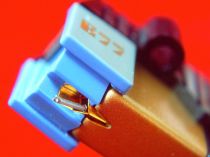
Arcam E77
Not long after it introduced its award-winning A60 integrated amplifier, the Amplification and Recording company of Cambridge (A&R Cambridge, latterly ARCAM) began work on a series of high quality affordable moving magnet cartridges. The first to reach dealers was the
Arcam E77
Not long after it introduced its award-winning A60 integrated amplifier, the Amplification and Recording company of Cambridge (A&R Cambridge, latterly ARCAM) began work on a series of high quality affordable moving magnet cartridges. The first to reach dealers was the
Trio KD-1033B
The Pioneer PL-12D changed everything. It was the point at which established British manufacturers such as BSR and Garrard found themselves denuded of their core market – entry-level turntables. Suddenly in 1973, for a few pounds more than the price of
Trio KD-1033B
The Pioneer PL-12D changed everything. It was the point at which established British manufacturers such as BSR and Garrard found themselves denuded of their core market – entry-level turntables. Suddenly in 1973, for a few pounds more than the price of

Dynavector DV505
When a small Japanese engineering outfit called Dynavector launched the DV505, it rocked the hi-fi world. Rather than the usual sales spiel, the company released its extensive engineering research findings into tonearm geometry and resonance characteristics. It didn’t take the world long
Dynavector DV505
When a small Japanese engineering outfit called Dynavector launched the DV505, it rocked the hi-fi world. Rather than the usual sales spiel, the company released its extensive engineering research findings into tonearm geometry and resonance characteristics. It didn’t take the world long

Wharfedale E70
There were never that many great nineteen seventies loudspeakers. Possibly because the wisdom of the time was that big, muscular transistor power amps were the way ahead, speakers became increasingly complex and power-hungry. Multi-driver designs using heavy polypropylene and Bextrene cones
Wharfedale E70
There were never that many great nineteen seventies loudspeakers. Possibly because the wisdom of the time was that big, muscular transistor power amps were the way ahead, speakers became increasingly complex and power-hungry. Multi-driver designs using heavy polypropylene and Bextrene cones
JVC QL-70
The Victor Corporation of Japan was a fully committed hi-fi manufacturer in the nineteen seventies, making a range of very clean sounding amplifiers, tuners, cassette decks and turntables. The 1977 QL-70 was one of its very best vinyl spinners, being
JVC QL-70
The Victor Corporation of Japan was a fully committed hi-fi manufacturer in the nineteen seventies, making a range of very clean sounding amplifiers, tuners, cassette decks and turntables. The 1977 QL-70 was one of its very best vinyl spinners, being
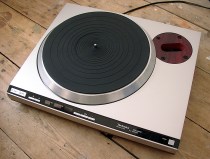
Technics SL-150 MK2
The follow-up to the iconic SL-150 of 1975, the mark 2 version launched in 1977 added quartz-locked servo control to the original’s excellent direct drive motor, introduced a redesigned and quieter plinth and incorporated wood into the equation; the armboard
Technics SL-150 MK2
The follow-up to the iconic SL-150 of 1975, the mark 2 version launched in 1977 added quartz-locked servo control to the original’s excellent direct drive motor, introduced a redesigned and quieter plinth and incorporated wood into the equation; the armboard
 zStereo